

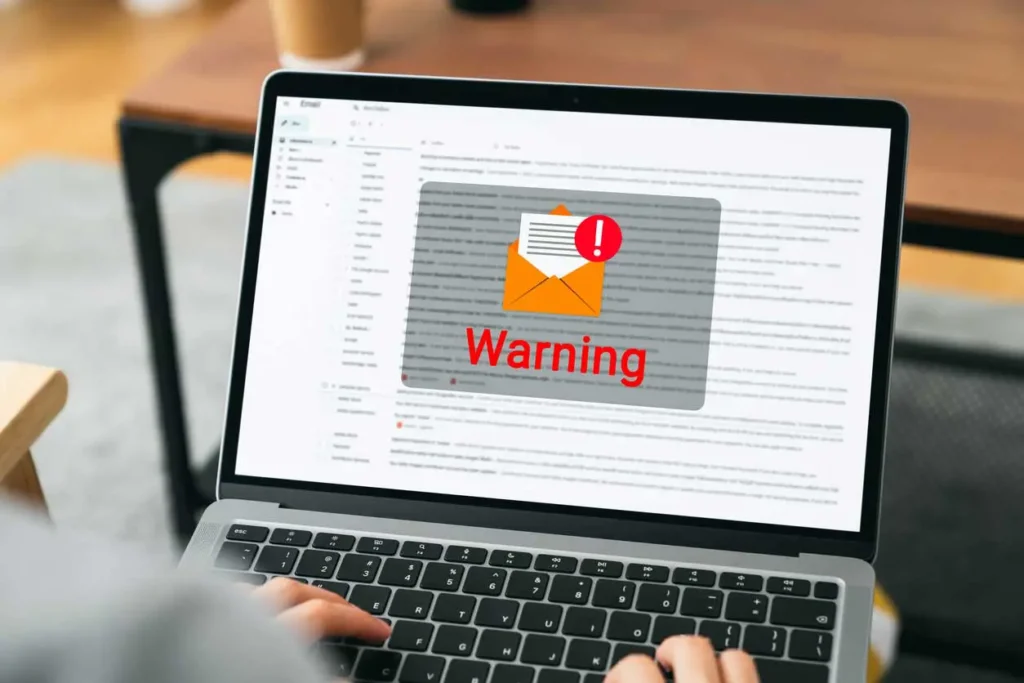
Email cyber attacks and what they mean for your business
According to Microsoft, 91% of cyber attacks on businesses now begin with a phishing email cyber
attacks. Email cyber attacks are an ever-increasing and persistent threat to businesses of all sizes, including small
and medium-sized enterprises.
Cyber criminals often use email cyber attacks as the means to deliver phishing scams, ransomware, and
other types of malware to compromise the security of an organisation’s network and to steal sensitive data.
Following the recent cyber attacks on M&S, Co-op and Harrods, our security experts here at Minerva are taking a
deep dive into every single one of our customers’ cyber security measures to ensure that we have got
the best protection possible in place for them.
We are striving to reduce the risk to our customers of a cyber attack such as those endured recently by some of the UK’s
leading stores. Having multi-tier cyber security in place to outsmart the criminals is more important to ensuring the
safety of businesses now than it ever was before.

Here below are the 15 different types of email cyber attacks and threats you and your colleagues should be aware
of:
-
- Malware: Software designed to harm or take control of a computer system
- Phishing Attacks: Emails that appear to be from trusted sources to trick individuals
into sharing sensitive information - Spam: Unsolicited bulk emails that can spread malware or phishing scams
- Business Email Compromise (BEC): Fraudulent emails impersonating high-ranking employees
to trick others into making wire transfers or sharing sensitive information - Ransomware: Malware that encrypts files until a ransom is paid
- Data Exfiltration: Unauthorized transfer or theft of data
- Scamming: Fraudulent schemes to defraud victims or steal their identity
- Spear-Phishing: Targeted phishing attacks designed to deceive specific individuals
- URL Phishing: Fake websites that mimic legitimate ones to steal user information
- Brand or Domain Impersonation: Fake domains or emails that appear to be from legitimate
brands - Blackmail: Scams that threaten victims into giving money
- Conversation Hijacking: Intercepting and taking control of communication sessions
- Lateral Phishing: Using hijacked accounts to send phishing emails to close contacts
- Account Takeover: Gaining access to a user’s account credentials
- QR Code Phishing (Quishing): Using QR codes in email attacks to trick recipients into
visiting malicious websites
Here are Minerva’s Recommendations to protect your business:
- Employee Training: Educate your employees to be cautious when opening email attachments,
downloading software from untrusted sources, and clicking on links. We can provide links to online staff
training videos to help you with this. - Robust Security Measures: Anti-virus software, firewalls, intrusion detection systems and email
filtering need to be in place and it is imperative that they are regularly updated.
Help with email cyber attacks
As highlighted above, Minerva is currently assessing all of our individual customers’ current security
measures in order to identify any problem areas and make tailored recommendations on how we can improve or
update the protection that is in place.
Given the recent rise in serious incidents of cyber terrorism, it is more important than ever that we do whatever it
takes to protect our customers’ systems and data.
Minerva has been supporting SMEs with IT solutions since 1983 and cybersecurity provision is one of our areas of specialism. Please contact us if you would like any further information on
any of the issues highlighted above.