

Organisations across a wide range of sectors have transformed their finance operations with iplicit, replacing outdated legacy systems with a modern cloud accounting platform that streamlines processes, improves financial visibility and supports growth. From charities and museums to multi-academy trusts and commercial businesses, iplicit has helped finance teams reduce manual workloads, automate routine tasks and gain access to real-time financial insights. These customer success stories demonstrate how organisations have overcome complex financial challenges while creating more efficient, scalable finance functions. Here are some examples:

Sheldon Bosley Knight
Sheldon Bosley Knight (SBK), a multi-company land and property group with nine sites and around 240 staff, moved from Sage One to iplicit to support its growing finance needs. The team needed stronger accounting, better reporting, improved controls, automated bank feeds, audit trails, approval workflows and Excel-based analysis. iplicit offered the flexibility and visibility needed for SBK’s multi-entity structure, while Minerva supported a smooth implementation within tight timescales.
Since going live, SBK has improved approvals, reconciliation and reporting, reduced manual work and spreadsheet reliance, and gained clearer business insight. The system is now saving the finance team several days each month.

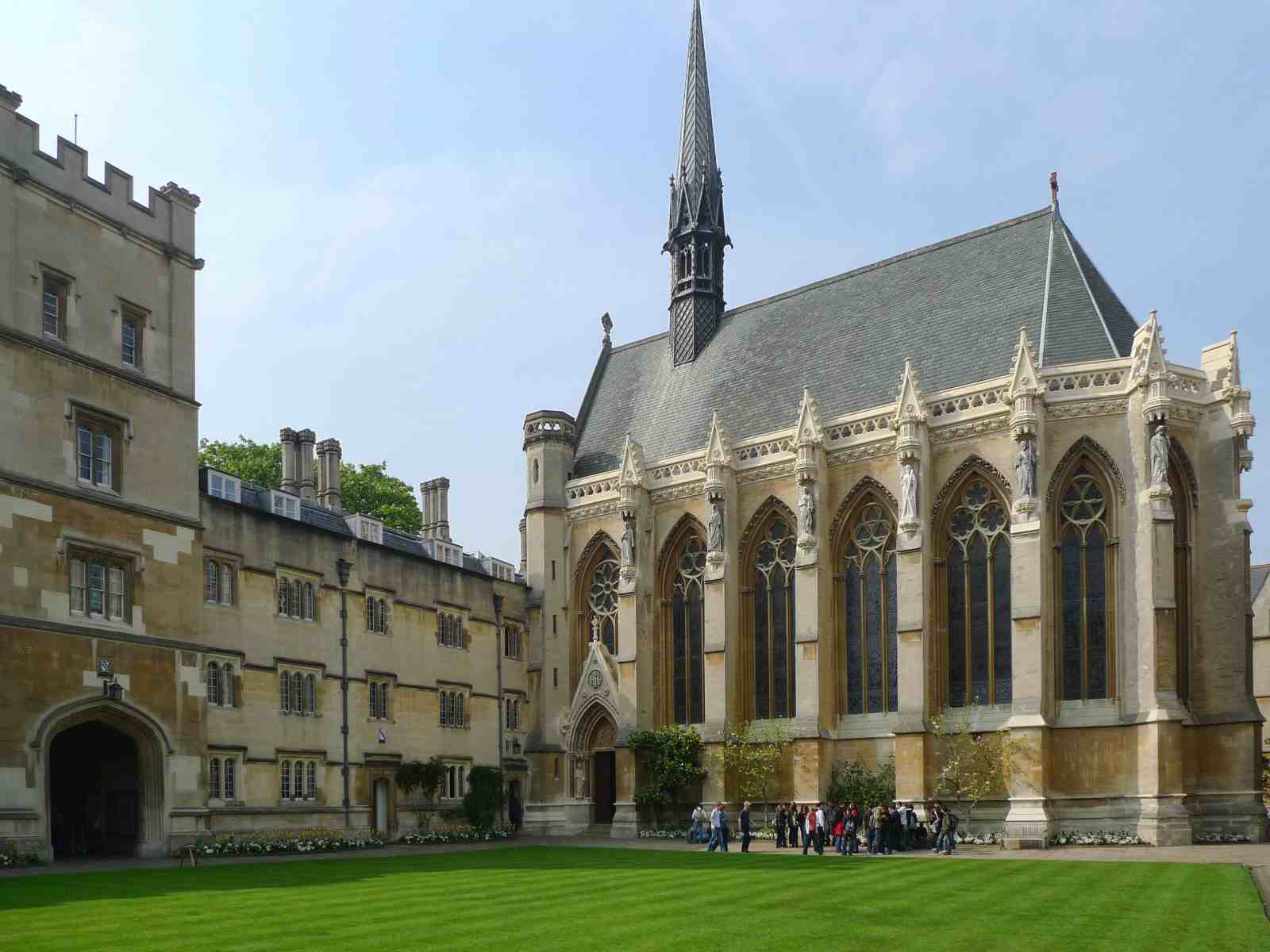
Exeter College, Oxford University
Minerva was selected to implement iplicit for Exeter College, Oxford, replacing its long-standing Opera 3 finance system with a secure, cloud-based financial management platform.
Our work covered project management, solution design, configuration, data migration, training, testing, go-live support and post-implementation guidance, including a bespoke student data integration to automate sales ledger account creation and maintenance.
The project gave Exeter College improved reporting, stronger security, enhanced workflow automation and a modern finance platform ready for future integrations.

Moore House Group
Before moving to iplicit, our finance team at Moore House Group faced significant hurdles. Operating as a mixture of profit and non-profit organisations providing residential care, education and other social care services, our legacy Sage software could not keep pace. It was outdated and imposed limitations on our multi-company and multi-department reporting, forcing us into time-consuming workarounds.
Switching to iplicit has greatly improved our daily operations. In particular, the AP automation, bank interface, and sales invoice module have helped us immensely by replacing our previous manual processes. These tools have delivered noticeable time savings and significantly enhanced our data accuracy and control.
While our implementation and go-live process experienced some initial delays due to limited internal resources and evolving requirements, the implementation team from Minerva was incredibly supportive. They worked closely with us to modify the system configuration to meet our specific operational needs, ensuring all major challenges were ultimately resolved.
Looking forward, we are excited to expand our use of iplicit and introduce further functionalities to drive even greater efficiency across our operations.
Venus Chung, Accountant, Moore House Group
Excalibur Academies Trust
Following its merger with Gatehouse Learning Trust, Excalibur’s financial operations became significantly more complex. The trust inherited a fragmented finance landscape, with 15 schools operating separate Sage 200 systems and bank accounts, while Gatehouse’s five schools used a centrally managed Civica Financials system. This lack of integration made inter-school journal postings impossible, required time-consuming manual recharges and spreadsheet-based management reporting, and limited accrual and prepayment calculations to year-end. The audit process was also highly inefficient, taking almost a month as finance staff gathered data and supporting documents from 16 different systems.
To address these challenges and support the transition to a fully centralised finance function, Excalibur needed a modern finance system capable of streamlining processes and improving visibility across the trust.


Black Country Living Museum
As the Black Country Living Museum expanded, its finance team found that its legacy Pegasus Opera system could no longer support the organisation’s increasingly complex requirements. A small finance team was managing manual processes for invoicing, bank reconciliations, journals and month-end reporting, while also dealing with the added complexity of partial VAT across both a registered charity and a limited company.
Seeking to reduce manual workloads, improve efficiency and free the team to focus on higher-value activities, the museum undertook a structured procurement process, evaluating six finance systems before selecting the solution that best met its functional, usability and cost requirements.